South Mountain Park and Preserve: Experience copyright's Pristine Oasis
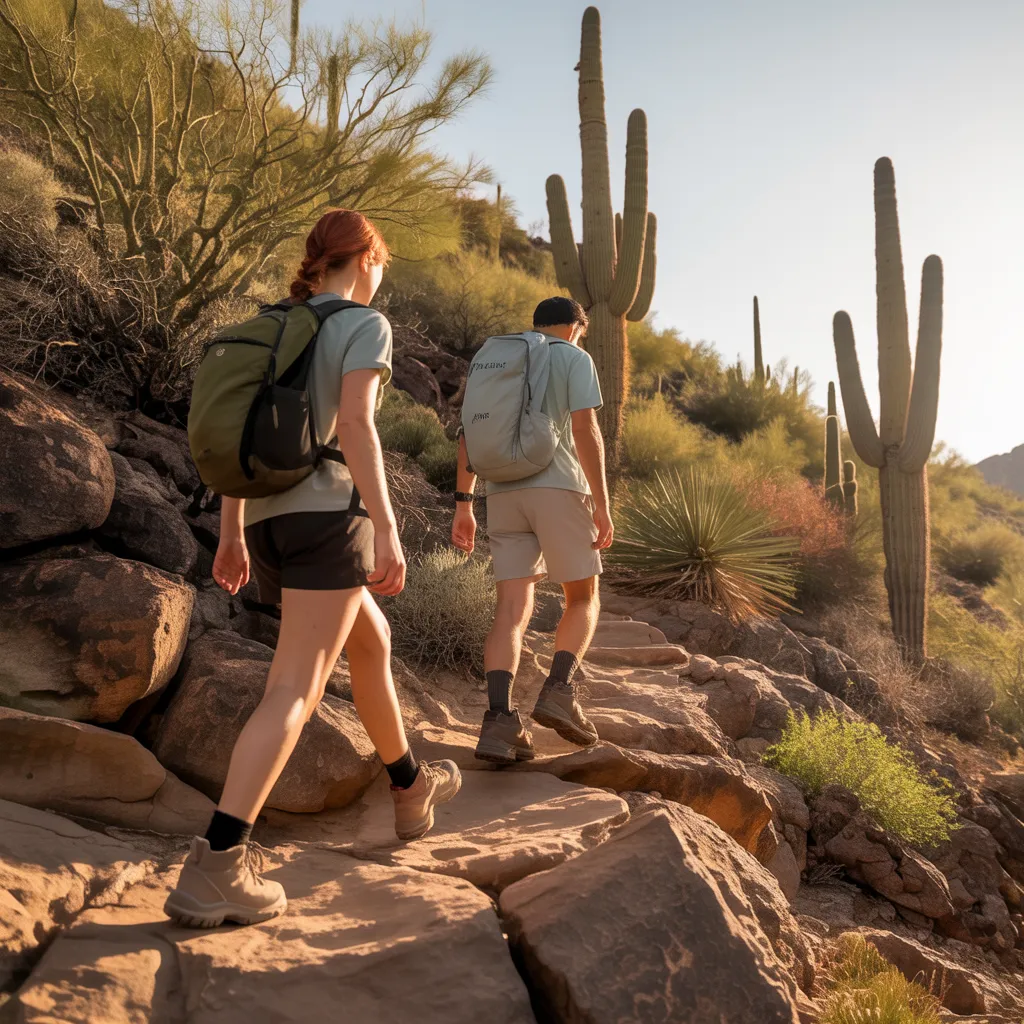
South Mountain Park and Preserve serves as an awe-inspiring natural sanctuary in copyright, Arizona. Covering 16,000 acres, it displays a rich variety of landscapes and routes. Visitors may unearth unique rock features and diverse animal life. The park constitutes not only a destination for outdoor lovers but also preserves heritage significance. As one travels through its selection of offerings, a feeling of awe about what emerges summons. What moments hold those who journey deeper into this natural wonder?
Overview of South Mountain Park and Preserve offers insight into this exceptional destination
South Mountain Park and Preserve is a expansive wilderness sanctuary located in copyright, Arizona, spanning over 16,000 acres of rough terrain. This large preserve is famous for its unique geological features, including impressive stone structures and varied desert vegetation. The area showcases a notable diversity of wildlife, making it an essential habitat for many creatures. The park's elevation extends from 1,200 to 2,700 feet, offering breathtaking scenic views of the surrounding Sonoran Desert and the copyright metropolitan area.
Established in 1924, South Mountain Park is one of the largest municipal parks in the United States, reflecting a pledge to safeguarding natural landscapes. The preserve acts as a haven for both community members and visitors, inviting exploration and appreciation of its environmental importance. With its extensive heritage and pristine landscapes, South Mountain Park and Preserve functions as a representation of the significance of conservation in urban settings.
Trails and Trekking Opportunities
With over 16,000 acres of varied terrain, the park offers a multitude of trails that cater to hikers of all skill levels. From easy, flat paths appropriate for families to difficult, steep inclines for seasoned adventurers, South Mountain Park and Preserve provides a range of options for outdoor enthusiasts. The well-known Hidden Valley Trail features breathtaking rock formations, while the strenuous National Trail delivers expansive views of the surrounding landscape.
Many trails are clearly marked and upkept, making wayfinding simple, even for novice hikers. Additionally, the park's connected network of trails enables flexible hiking paths, allowing individuals to tailor their hiking experience to their liking.
For those seeking a leisurely stroll or an challenging hike, travelers can fully engage themselves in the natural beauty of the area. The abundant pathways invite exploration and deliver a remarkable chance to experience the natural world in this metropolitan haven.
Wildlife and Natural Habitats
The varied ecosystems within South Mountain Park and Preserve sustain a wide variety of wildlife and natural habitats. Covering over 16,000 acres, the park includes desert scrub, grasslands, and riparian areas, each fostering unique species. Visitors may encounter a variety of animals, including coyotes, bobcats, and various birds such as quail and hawks. The park is also home to numerous reptiles, including rattlesnakes and lizards, which prosper in the arid environment.
Flora plays an key role in these ecosystems, with iconic saguaro cacti, mesquite trees, and creosote bushes providing essential cover and nutrition. Seasonal changes lead to various wildlife activities, with some species migrating or altering their behaviors. Conservation efforts within the park seek to preserve these habitats, ensuring the survival of both common and rare species. This pledge to wildlife protection improves the ecological balance of South Mountain Park and Preserve, making it an important natural resource in the region.
Cultural and Past Significance
While many visitors travel to admire the natural beauty of the park, its cultural and historical value is similarly fascinating. South Mountain Park and Preserve is host to ancient Native American petroglyphs, presenting a insight into the lives of South Mountain Park and Preserve hour the Hohokam people who settled the area over a thousand years ago. These rock carvings represent a representation of the region's rich indigenous heritage and are preserved as an essential part of Arizona's cultural landscape.
Beyond archaeological significance, the park maintains historical ties to early 20th-century development in copyright. It was founded in 1924, making it one of the largest municipal parks in the country. The park's name reflects the mountain range that has functioned as a significant landmark for both Native Americans and settlers alike. Today, South Mountain represents a symbol of cultural resilience and a link with history for the community and visitors.
Stunning Overlooks and Picture-Taking Spots
South Mountain Park and Preserve presents a significant cultural heritage alongside spectacular natural scenery that captivate photographers and nature enthusiasts alike. With more than 16 miles of picturesque routes, the park showcases numerous lookouts that showcase copyright's awe-inspiring panoramas. The well-known Dobbins Lookout, situated at an elevation of just under 2,330 feet, offers panoramic views of the city skyline, especially stunning during sunset.
Another prominent spot is the National Trail, which meanders through mixed terrain, affording superior occasions for preserving the area's ecological splendor. The lookout points near Gila Monster and Pima Canyon are also appreciated by image makers for their unique perspectives and brilliant desert flora. Wildlife photography is extensive as well, with instances to seize birds, wild creatures, and awe-inspiring terrain. Overall, South Mountain Park and Preserve stands as a utopia for those seeking picturesque views and noteworthy visual opportunities.
Entertainment for All Ages
South Mountain Park and Preserve presents a selection of activities good for all ages, ensuring that every patron can discover pleasure. Families can explore numerous trekking routes tailored to different ability levels, while marked picnic areas furnish an perfect venue for social gatherings. Furthermore, chances to observe wildlife watching strengthen the experience, helping guests to bond with nature.
Backpacking Routes for All People
How does trekking in South Mountain Park and Preserve enchant visitors spanning all age ranges? The park distributes a vast array of trails that respond to multiple skill levels, from unhurried strolls to increasingly challenging climbs. Families accompanied by young children can take pleasure in the basic, well-marked paths, while skilled hikers can navigate the more demanding landscape. Panoramic views, impressive natural formations, and flourishing wildlife create an stirring adventure for all. In addition, the park's inclusive accommodations affirm that all visitors regardless of ability can engage in the outdoor exploration. Through extensive opportunities to experience nature, South Mountain Park inspires a desire for adventure and wonder, making it an excellent spot for individuals and families seeking out outdoor activities that align with their preferences and capabilities.
Family-Centered Outdoor Dining Spaces|Family-Welcoming Picnic Locations|Family-Appropriate Picnic Zones|Family-Inclusive Outdoor Gathering Spots
Within the sprawling South Mountain Park and Preserve, family-friendly picnic areas offer a wonderful match to the park's hiking trails. These reserved sites offer an perfect setting for families to relax and have meals amid stunning natural surroundings. Equipped with picnic tables and grills, visitors can easily arrange for a relaxing afternoon. The accessibility of these picnic spots encourages families to gather, share food, and engage in games, fostering connections and creating lasting memories. Additionally, the proximity to various trails allows families to combine their picnicking with outdoor adventures. With ample shade from surrounding trees and picturesque views, these picnic areas serve as a delightful retreat for all ages, making South Mountain Park a cherished destination for family outings.
Nature Observation Opportunities
While discovering the varied landscapes of the park, visitors can discover plentiful wildlife observation opportunities suitable for all ages. South Mountain Park and Preserve is home to a variety of species, including rabbits, coyotes, and an array of birds such as hawks and quails. Families can participate in bird watching, using binoculars to spot these captivating creatures in their natural habitats. The park also provides guided nature walks, where experienced rangers provide insights about local wildlife and ecosystems. Children can take part in scavenger hunts, improving their observational skills while discovering about the importance of protecting wildlife. Whether through quiet observation or interactive activities, wildlife watching at South Mountain Park provides enriching experiences for guests of all generations.
Tips for Visiting South Mountain Park
When organizing a trip to South Mountain Park, understanding the top hiking trails is crucial for an pleasant outing. Guests should also be aware of the park's hours and access points to optimize their visit duration in this vast outdoor space. These recommendations can help guarantee a rewarding outing for all who explore the varied terrain.
Best Hiking Paths
South Mountain Park and Preserve presents a wide selection of outdoor paths that serve all experience levels
Hours and Getting In to the Park
What are the greatest moments to explore South Mountain Park and Preserve? The park is open every season, with entry from sunrise to sunset. Peak hours typically occur in the dawn hours and late afternoon, offering cooler temperatures and magnificent views. Visitors are urged to plan their trips during these hours to enhance their enjoyment. Weekdays tend to be quieter than weekends, allowing for a more peaceful atmosphere. Parking areas can fill up quickly, particularly on weekends, so arriving early is advisable. Additionally, visitors should check for any temporary shutdowns or unique occasions that may impact entry. Always remember to carry water and wear appropriate footwear for a safe and enjoyable adventure in this pristine sanctuary.
Frequently Inquired Questions
What about curated tours that you can enjoy in South Mountain Park?
Yes, structured tours are accessible in the park. Visitors can pick from many selections, featuring hiking and biking tours led by knowledgeable guides, who impart knowledge about the park's unique natural ecosystems.
What Time Does the Park Operate?
The natural area is open daily from 5 a.m. to 11 p.m., affording ample hours for visitors to enjoy its trails and scenic views. During these hours, visitors can observe the natural beauty and recreational opportunities accessible.
Is it possible to set up camp in South Mountain Park?
Camping is not permitted within South Mountain Park. Visitors must find nearby campgrounds or other locations for camping activities. The park primarily emphasizes day-use recreational opportunities, ensuring the preservation of its natural environment.
Can Pets Be Permitted on the Trails?
Animals are permitted on the trails, but they must stay on a leash at all times. Visitors are recommended to clean up after their pets to maintain the park's natural beauty and guarantee a pleasant experience for everyone.
What Represents the Park's Entrance Charge?
The park's entrance cost is generally free, as it is a public area. However, some areas may demand a charge for specific activities or amenities, so guests should check for any relevant fees before their visit.